

How to Wash Hash – Solventless Separation with Ice Water
Ice water hash (also known as bubble hash) is a solventless extraction method that separates trichome heads from cannabis using cold water, ice, and filtration — no butane, no ethanol, no chance of nasty contamination. This beginner guide is for growers and new hash makers who want to understand the process without the sketchy “here’s a recipe” vibe. One promise: from bud to bubble to rosin, you’ll know what matters, what doesn’t, and why true washer genetics quietly run the whole show.
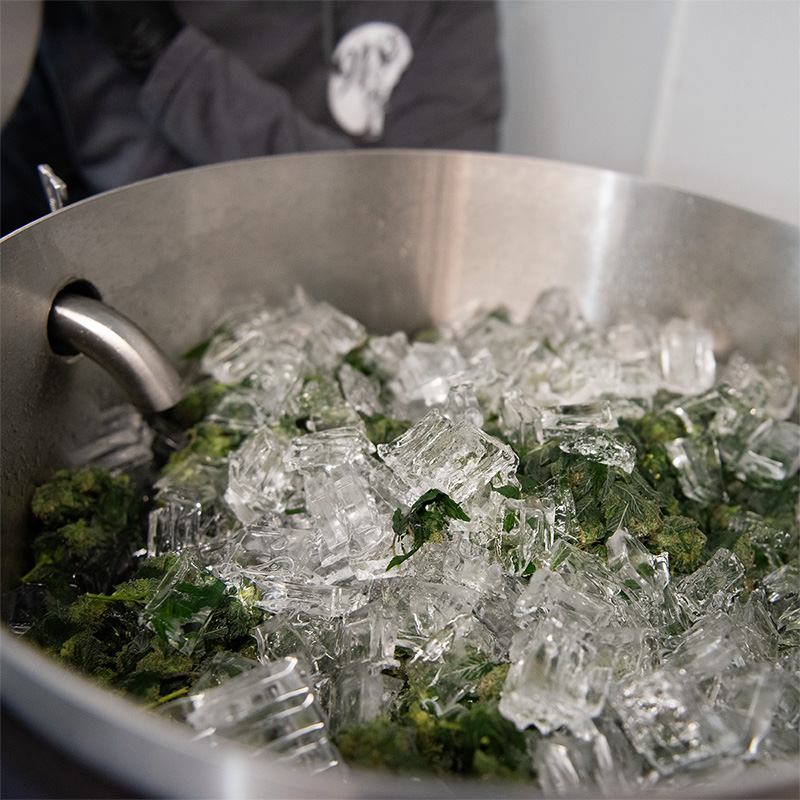
Controlled ice agitation helps release trichome heads without stirring up plant material.
Quick Navigation
- What is ice water hash?
- Choosing the right material
- Gear and setup
- Water, ice, and temperature control
- Prepping the wash
- First wash fundamentals
- Drying methods
- Storing hash
- Pressing into rosin
- FAQ
What Is Ice Water Hash?
Ice water hash (often called bubble hash) is the collection of trichome heads — the resin glands that hold cannabinoids and terpenes — that detach from plant material in very cold water and are captured by progressively finer filter bags. The goal is clean separation: trichome heads in the bags, trichome stalks and plant matter left behind.
Why hash makers love ice water hash: it preserves the plant’s aromatic profile better than many solvent-based methods, and it’s the cleanest on-ramp to premium hash rosin (pressing the collected resin into rosin).
Quick comparisons:
- Dry sift: Also solventless, but separation happens with screens and motion rather than water. Excellent when done well; often dustier or greener when rushed. Typically done with dried material, though fresh material can be dry sifted in a cold room.
- BHO / hydrocarbon extracts: High potency and fast throughput — but solvent-based, with a different safety and legality profile.
- Flower rosin: Direct press of buds. Simpler, but includes more plant waxes and lipids compared to pressing clean hash.
- Hash rosin: The focus of this article, and the labour of love at 710 Wash Me Daddy. To us, live hash rosin made from fresh frozen material is the pinnacle of cannabis extracts — the purest snapshot of a plant at peak expression.
Tip: “Solventless” doesn’t automatically mean “clean.” Clean comes from inputs, handling, and temperature discipline.
Choosing the Right Material
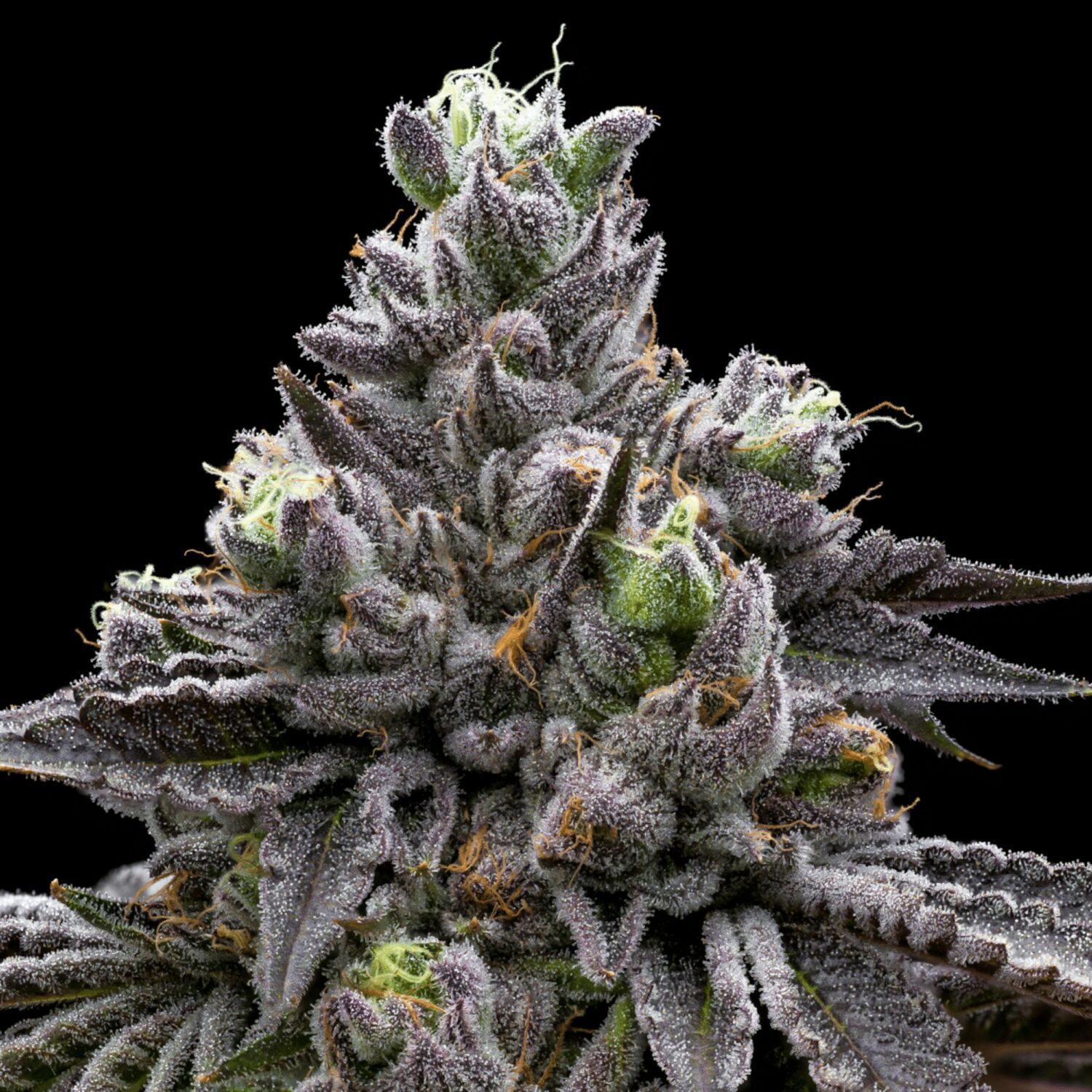
Open calyx structure allows more trichome heads to detach cleanly in ice water.
Fresh Frozen vs Dried Flower
Fresh frozen material is widely considered the purest expression of a plant at peak ripeness. You harvest at the ideal window, freeze immediately, and preserve volatile terpenes that would otherwise evaporate during drying and curing. This is why most modern top-shelf rosin is made from WPFF (Whole Plant Fresh Frozen) inputs.
Not every plant washes well as fresh frozen. Wash performance depends on factors like trichome head cuticle size, thickness, and resin composition.
Dried flower can still wash, but it’s a different lane: more variables, more oxidation risk, and generally less “live” aroma. Many plants that don’t wash well as WPFF will yield better as dried material, but dried-input hash is usually regarded as a step down from fresh frozen.
Best Strains for Washing
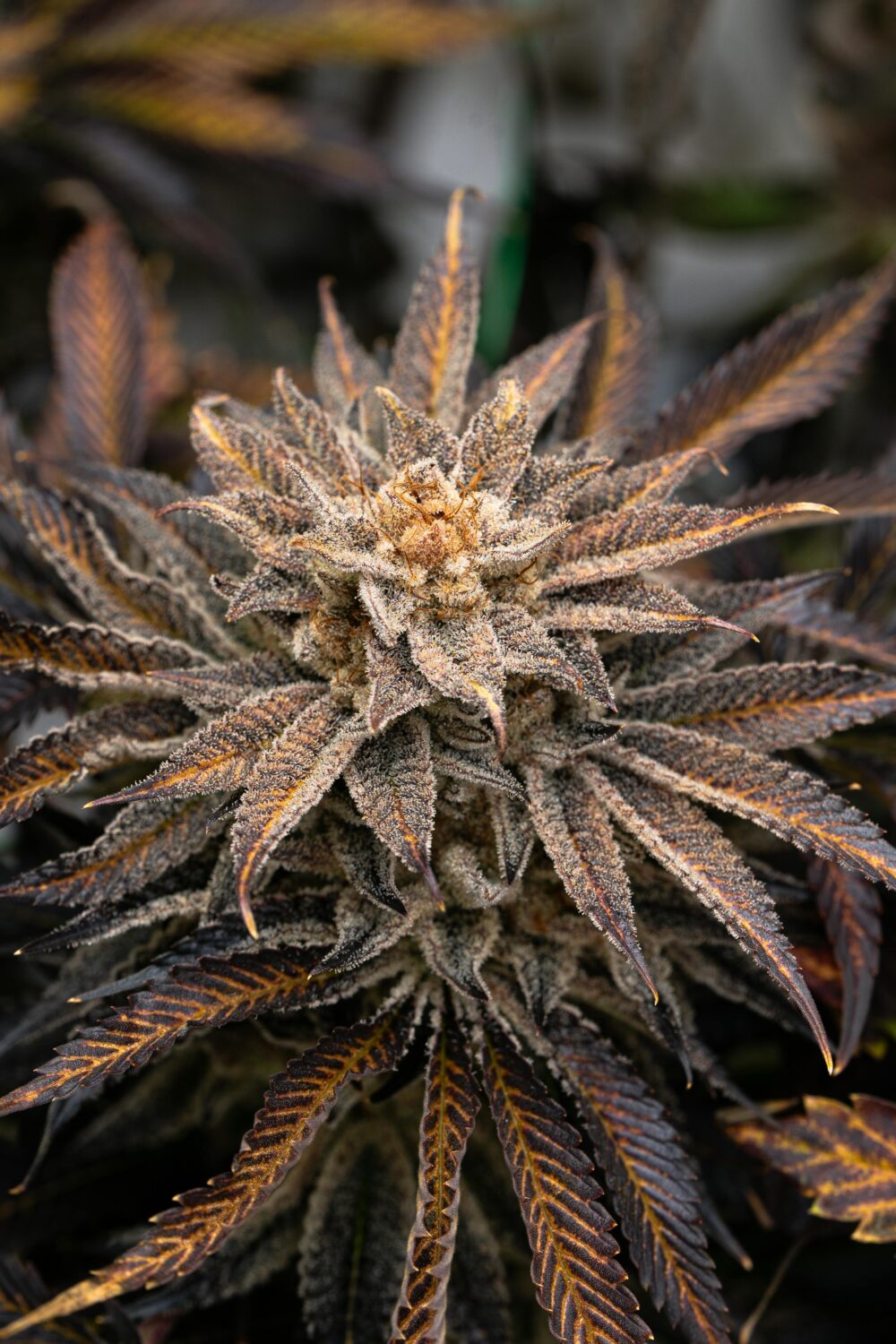
Resin maturity and flower ripeness determine final hash and rosin quality.
Not every frosty plant is a washer. Some cultivars look insane but deliver a dreaded “ghost wash” — filter bags full of nothing but air. Genetics determines trichome head size, neck brittleness, and resin texture, which is why we obsess over washer traits at 710 Wash Me Daddy.
Start here for the genetics side: Best Strains for Hash Rosin: What Makes a True Washer.
- Harvest maturity matters: Overripe material tends to smear; underripe material often won’t release cleanly.
- Trichome condition matters: Old, degraded, or poorly stored material loses both yield and flavour.
- Don’t wash trash: If the flower smells flat, the hash will taste flat. Solventless is brutally honest.
- Remember: Fire in = fire out.
Gear and Setup Checklist
Essential Equipment
- Washing vessel: A “blue washer” style washing machine or a sturdy bucket or tote for manual agitation.
- Bubble bags / wash bags: A quality set with multiple micron sizes for filtration and separation.
- Collection tools: Spoon or scoop, a clean high-pressure sprayer, and a dedicated cold-safe collection surface.
- Thermometer: To keep temperatures consistent — solventless loves consistency.
- Clean workspace: Towels, gloves, and a plan to keep everything sanitary and cold.
Optional but Highly Recommended
- Freeze dryer: Best-in-class for terpene preservation and reduced spoilage risk.
- RO water: Cleaner baseline water means fewer surprises and off-notes.
- Insulated totes or coolers: Temperature stability makes everything easier.
Tip: The “best” gear is the gear you can keep clean and cold every single run.
Water, Ice & Temperature Control
Ice water hash is fundamentally about temperature management. Cold makes trichomes brittle and encourages clean separation; warmth increases smearing and contamination risk. Once resin heads begin breaking in the wash water, released oils can negatively affect remaining heads.
- Water quality: Clean, neutral-tasting water preserves aroma. RO water is a solid baseline.
- Ice quality: Clean ice matters more than “fancy” ice. Avoid ice with freezer odours.
- Target range: “Cold and stable” beats an ice apocalypse. Too much ice can shred material and introduce green particulate.
Tip: Don’t shock the resin with chaotic temperature swings. Consistency beats extremism.
How much ice is enough? Enough to keep the system cold and stable throughout the run. Too much? When the wash turns into slushy chaos and plant material starts getting pulverised.
Prepping the Wash
This isn’t a step-by-step recipe. Instead, think in terms of process logic and quality checkpoints so you can run a clean, safe, and legal operation where you are.
Harvest, Freezing, and Loading
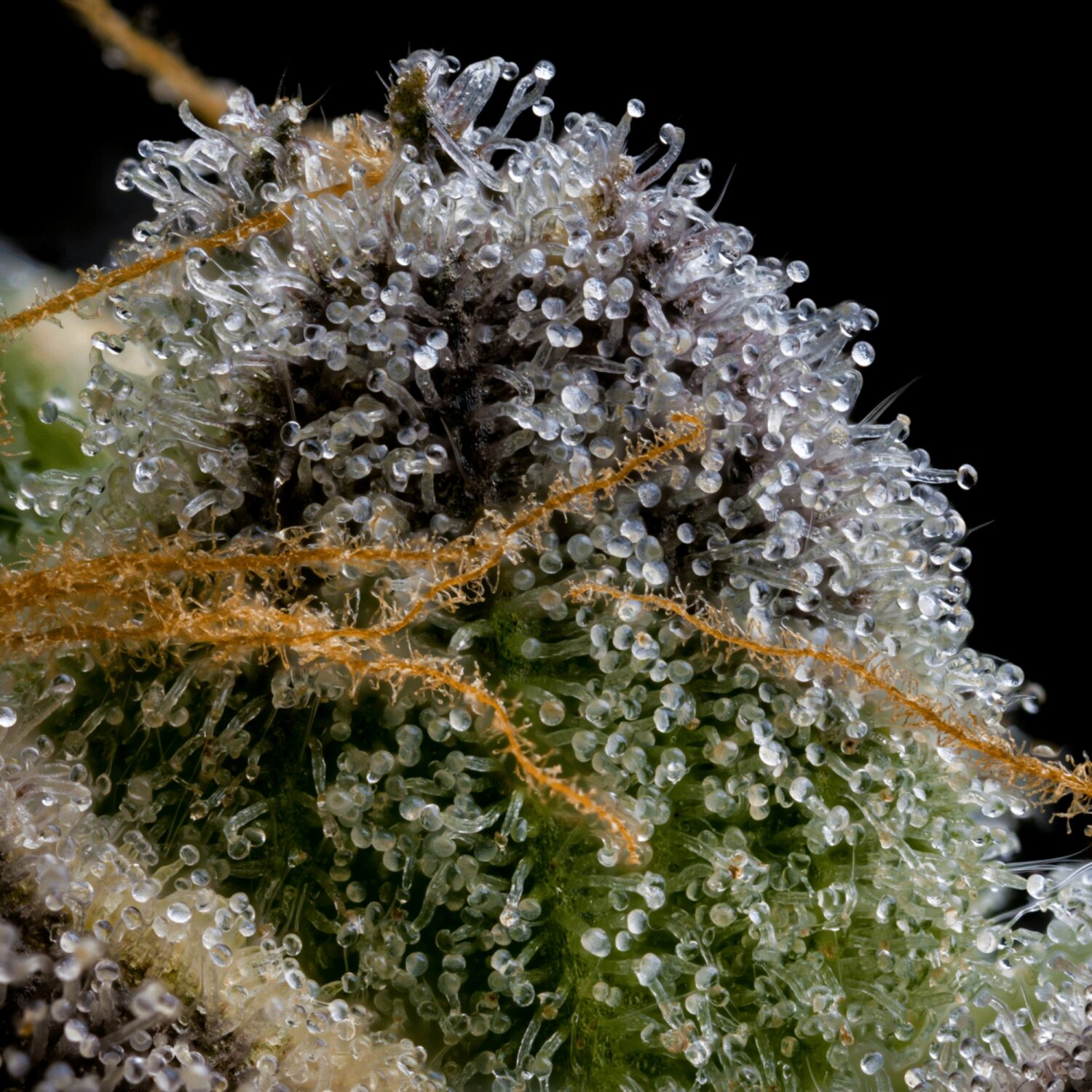
Clear and milky trichomes show that the flower still needs time to fully mature.
- Fresh frozen workflow: Harvest at peak ripeness. Check trichomes on buds (not sugar leaves) using a loupe or microscope. Many aim for mostly cloudy heads with a small mix of clear and amber. Remove large stems and fan leaves, freeze promptly, and keep material frozen until use.
- Handle gently: Trichomes are fragile; unnecessary handling equals unnecessary loss.
Setting Up Your Bag Stack
Micron bags separate different resin grades. In practice, hash makers often refer to “premium rosin fractions” and “food grade” fractions.
- Full spec rosin fraction: Commonly focused around 73–159 µm.
- Upper fractions (≈160–189 µm): Often diverted to edibles or traditional hash.
- Lower fractions (≈45–72 µm): Aromatic but usually not dab grade.
Tip: Keeper microns are cultivar-dependent. Genetics is the hidden spreadsheet behind the magic.
First Wash Fundamentals
Hydrating the Material
- Get everything cold and staged before material enters the system.
- Introduce material gently — separation, not smoothies.
Agitation
- Think controlled movement, not rage blender.
- If the water turns aggressively green fast, you’re extracting contamination.
Drain & Bag Pull
- Let gravity do the work.
- Keep everything cold during collection.
- Treat premium fractions like fragile gold.
Tip: Rinse resin thoroughly with ice-cold water until runoff is clear and fast — then rinse a little more.
Drying Methods
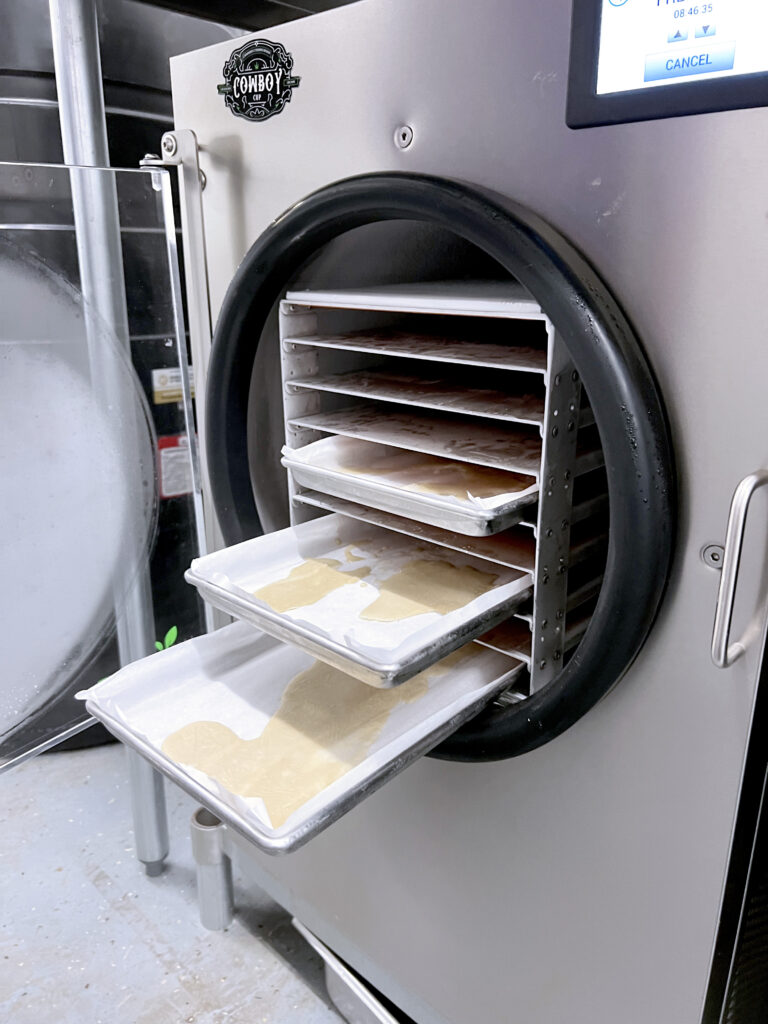
Freeze-drying fresh frozen hash preserves terpene profile and melt quality before rosin pressing.
Freeze Dryer (Preferred)
Freeze drying preserves terpenes and reduces spoilage risk when done correctly, making consistency easier for small-batch work.
Air Drying
Air drying can work but demands patience and clean technique. The main enemies are moisture pockets (mould risk) and grease balls.
Vac-Assisted Pre-Dry
Vacuum-assisted pre-drying can help remove surface moisture quickly without heat or compression.
Tip: If it smells incredible wet but flat after drying, your handling or environment is the first suspect.
Storing Your Hash
Store dry hash like an aromatic food ingredient: cool, dark, airtight. Minimise oxygen exposure and temperature swings. We prefer freezer storage in airtight jars.
- Melt: Smoke it if it’s clean enough.
- Rosin: Press it when resin quality justifies it.
Ready to press? Only when the hash is genuinely dry and stable.
Pressing into Rosin (High-Level)
Hash rosin pressing is its own skill tree. At a high level:
- Bagging: Often double or triple bagged.
- Pre-press: Gentle and consistent.
- Temperature strategy: Lower for terpenes, higher for flow.
- Directional fold: Predictable flow and cleanliness.
Full guide here: How to Press Hash Rosin.
FAQ
How cold should my wash be?
As close to 0°C (32°F) and as stable as possible.
Do I need a freeze dryer?
No, but it’s the easiest path to consistent results and terpene preservation.
Why does one strain wash great and another wash terribly?
Trichome head size, neck brittleness, and resin texture are largely genetic.
Next Reads
Ready to run genetics built to wash? Explore the Bananaconda Line →
Best Strains for Hash Rosin · Breeding Philosophy · How to Press Hash Rosin