

Best Strains for Hash Rosin: What Makes a True Washer
The difference between a mediocre hash run and a full-melt masterpiece starts long before the ice hits the bucket — it starts in genetics. Not every frosty flower is a good washer. True solventless cannabis genetics have the right trichome head size, a brittle neck that snaps clean, and resin chemistry that drops sandy in ice water and presses into luminous rosin. Choosing the right washer genetics sets the ceiling for your hash washing success.
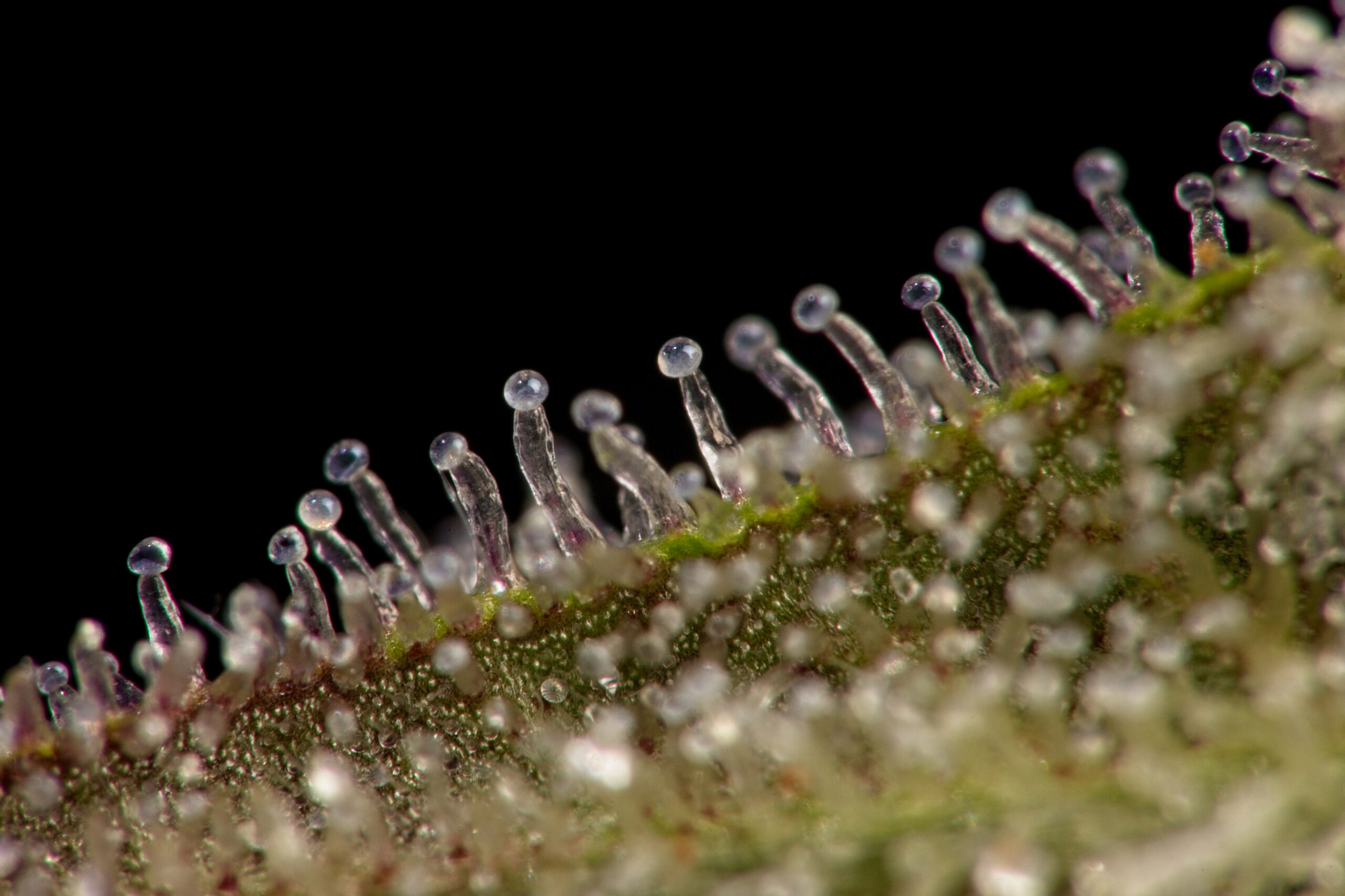
You can’t extract quality that isn’t already there. Solventless is honest work — the plant tells the truth.
Quick Navigation
- What makes a strain a washer
- The science of hash yield (WPFF%)
- Classic community washers
- Wash Me Daddy’s bred-for-resin lineup
- How to choose your washer
- Reality check: why good washers still fail
- From wash to press: why genetics matter most
- FAQ
What Makes a Strain a Washer
Washing is plant anatomy meeting cold physics. You’re separating resin glands (trichomes) from plant matter using ice water and gentle agitation. The winners share a few traits that define all great hash washing strains:
- Trichome head size (90–120 µm): Larger heads detach more easily and filter cleanly through micron bags.
- Brittle neck junction: The head–stalk connection should snap, not smear. Cooler late-flower can help, but genetics set the baseline.
- Resin chemistry: You want resin that’s oily enough to melt, but firm enough to break free. Greasy resin smears and won’t wash; ultra-sandy resin can fall like sugar but press “dry.” We select for the middle — strong wash numbers with true 6-star melt potential.
- Terpene stability: The best washers keep their nose after freeze-drying and pressing, holding onto their distinctive flavour profile.
Tip: Visual frost can be misleading. Some photogenic flowers carry small or stubborn heads that refuse to wash — or the frost is mostly stalks. True washer genetics prove themselves only once the resin hits the bags.
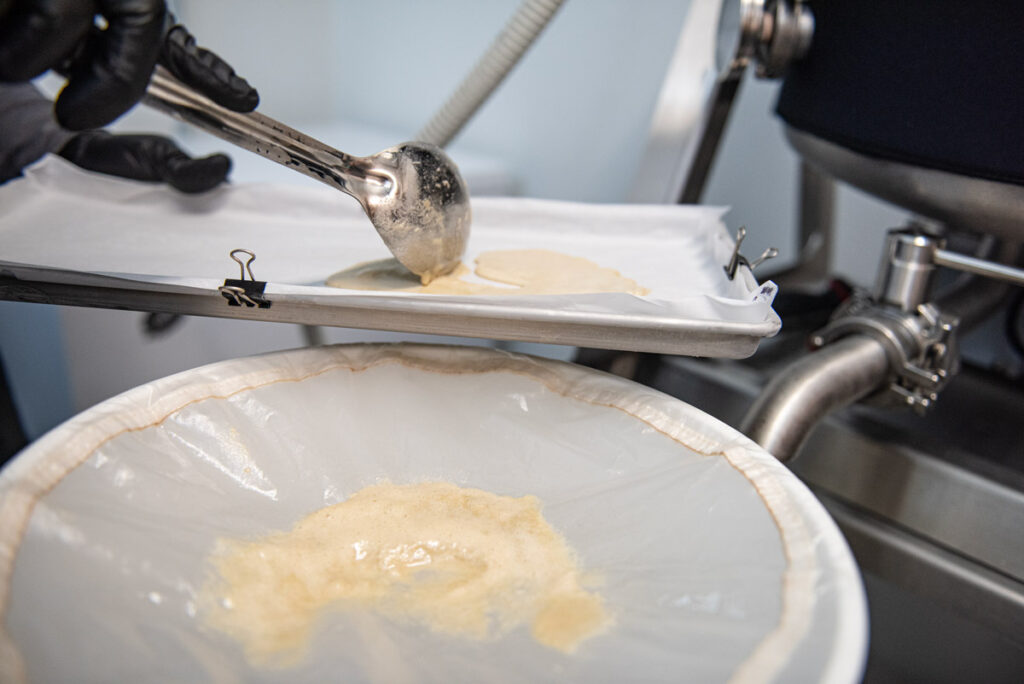
Freshly collected trichomes inside a bubble wash bag during the ice water hash extraction process.
We don’t guess which cultivars wash — we test them. If you’re building a solventless garden on purpose, start with genetics bred for the job: Bananaconda Line — Shop Genetics.
The Science of Hash Yield (WPFF%)
Once you know what makes a washer, the next question is how to measure it.
WPFF (Whole Plant Fresh Frozen) yield measures how much dry bubble hash you collect compared to the fresh-frozen input. It’s one of the most reliable ways to assess resin production and identify elite solventless cultivars — especially when you standardise your method.
Method note: The WPFF ranges below assume properly frozen whole plants, two controlled washes, and collection in the 73–159 µm range.
| WPFF% | Rating | Meaning |
|---|---|---|
| 1–2% | Poor | Not usually worth washing. |
| 3–4% | Decent | Often the minimum for a commercial facility, especially with a strong terp profile. |
| 4–6% | Excellent | True washer territory — often described as a “dumper.” |
| 6%+ | Elite | Top-tier wash genetics with a dialled-in process from grow to press. |
Tip: Yield isn’t the whole story. A dark, waxy “7%” cultivar can be less desirable than a clean 4% that presses bright, terpy, and flavour-packed.
Technique refines resin. Genetics define the ceiling.
Level up your technique: How to Wash Hash (Beginner’s Guide).
Classic Community Washers
These cultivars have earned global respect in the solventless scene and often underpin modern washer genetics:
Papaya — Mango #33 × Afghan
Large heads, clean melt, tropical sweetness. A foundational solventless cultivar.
Strawberry Guava — Strawberry Banana × Papaya
Juicy candy terps, excellent returns, beautiful colour. A modern benchmark.
GMO — Chem D × Forum GSC
Heavy resin output, savoury gas profile, long flower — still a staple.
Hashburger — GMO × Larry OG
Grease and gas with reliable mechanical release and strong melt.
Rainbow Belts 3.0 — Archive Seeds
Z-candy terps, sandy resin, and standout flavour when harvested correctly.
Wash Me Daddy’s Bred-for-Resin Lineup
Our releases pivot around a proven washer: Bananaconda #4, delivering consistent 6%+ WPFF in controlled tests. Reversed and crossed into elite cuts, these feminised lines are built specifically for solventless extraction.
Tropic Kiss
Strawberry Guava × Bananaconda #4 — tropical fruit, banana gas, and clean melt.
Yaya Hook
Papaya Punch × Bananaconda #4 — juicy papaya, bright cold cure, excellent translation.
Cherry Heat
Super Buff Cherry #26 × Bananaconda #4 — red fruit, fuel, flavour-first washer.
Explore the full line: Bananaconda Line — Shop Genetics
How to Choose Your Washer
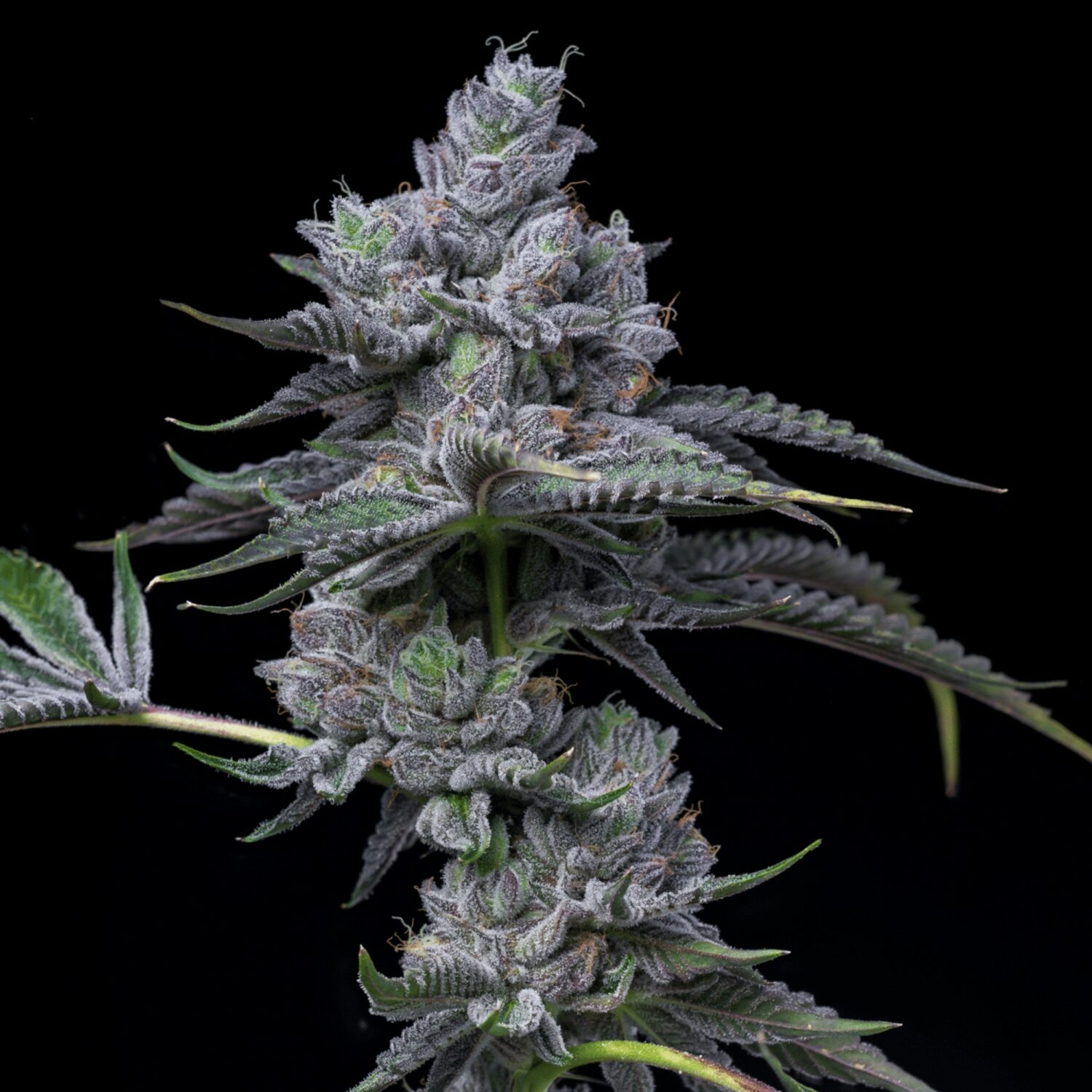
Indoor-grown flower expressing genetics selected for resin quality and washing potential.
- Yield vs flavour: Commercial volume vs connoisseur quality.
- Terp profile: Fruity tropics or gas/savoury.
- Crop cycle: Short turns or longer flavour payoffs.
Harvest timing: Milky heads with ~10% amber give the cleanest detachment and best terp retention.
Reality Check: Why Good Washers Still Fail
- Late or sloppy freezing
- Wrong harvest window
- Over-agitation
- Poor drying or freeze-dry settings
- Environmental stress during flower
Genetics set the ceiling — process determines how close you get.
From Wash to Press: Why Genetics Matter Most
You can’t fix weak resin with colder water or tighter bags. Elite genetics dump harder, press cleaner, and carry true full-melt shine.
At 710 Wash Me Daddy, every release is wash-tested and measured. No guesses. No hype.
Start with the right solventless genetics — the rest is just dialing it in.
FAQ
What’s a good WPFF%?
4%+ is excellent. 6%+ is elite.
Why doesn’t frosty weed always wash?
Because frost can mean small heads, greasy resin, or stubborn necks. Washability is mechanical, not cosmetic.
Can technique fix bad genetics?
No. Technique improves results, but genetics define the ceiling.
Ready to start washing with resin-bred genetics? Explore the Bananaconda Line →
Next reads: How to Wash Hash · Breeding Philosophy · Shop Genetics